Contents
- Introduction: Cybersecurity Enters the AI vs AI Era
- AI vs AI: The New Cyber Battlefield
- Autonomous Threat Detection: Speed Is Everything
- Zero-Trust Security: Trust Nothing, Verify Everything
- Quantum-Safe Encryption: Preparing for the Next Threat
- Post-Quantum Cryptography: A Global Priority
- The Human Factor in an AI-Driven World
- Global Implications: Security as a Strategic Priority
- What Comes Next?
- Conclusion: Staying Ahead in the AI Security Race
Introduction: Cybersecurity Enters the AI vs AI Era
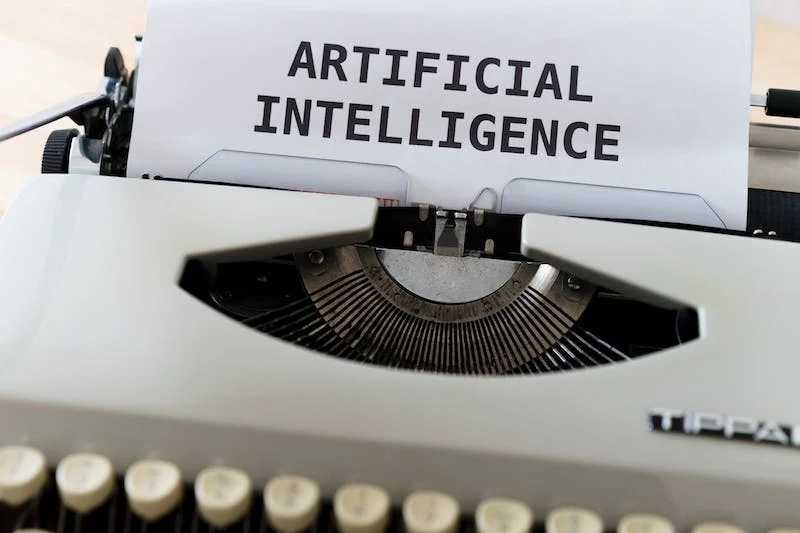
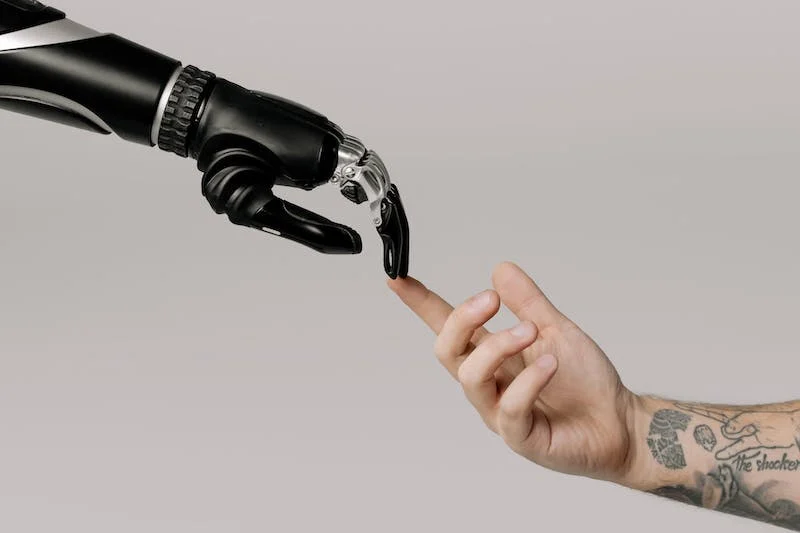
Cybersecurity is undergoing a dramatic transformation. What was once a domain dominated by human analysts and manual defenses has evolved into a high-speed digital battleground where artificial intelligence is fighting artificial intelligence.
Attackers are leveraging advanced AI tools to automate and scale cyberattacks, while defenders are deploying equally powerful systems to detect and neutralize threats in real time. At the same time, the rise of quantum computing is forcing organizations to rethink the foundations of digital security.
Together, these forces are creating a new paradigm: AI-driven, post-quantum cybersecurity.
AI vs AI: The New Cyber Battlefield
Modern cyber threats are becoming faster, smarter, and more targeted—largely due to advances in Artificial Intelligence and Machine Learning.
Attackers are now using AI to generate highly convincing phishing campaigns, analyze user behavior, and identify vulnerabilities at scale. Deepfake technology allows cybercriminals to impersonate executives or trusted individuals, making social engineering attacks more effective than ever.
External resource:
On the defensive side, organizations are deploying AI systems capable of detecting anomalies, identifying suspicious activity, and responding automatically. This has turned cybersecurity into a continuous arms race, where both sides are constantly evolving.
Autonomous Threat Detection: Speed Is Everything
As cyberattacks become more sophisticated, speed has become a critical factor in defense. Manual responses are often too slow to prevent damage, leading to the rise of autonomous threat detection systems.
These systems use machine learning to monitor network activity, identify unusual patterns, and take immediate action—often without human intervention. For example, they can isolate compromised systems, block malicious traffic, or trigger alerts within seconds.
Companies such as Darktrace and CrowdStrike are leading this shift, offering AI-powered platforms that provide real-time protection.
External resource:
Autonomous systems are becoming essential as organizations face an increasing volume of attacks that cannot be managed manually.
Zero-Trust Security: Trust Nothing, Verify Everything
One of the most important trends in modern cybersecurity is the adoption of zero-trust architecture. Traditional security models assumed that users داخل a network could be trusted, but this approach has proven insufficient in today’s threat landscape.
Zero-trust security operates on a simple principle: no user or device is trusted by default. Every access request must be verified, regardless of its origin.
Technology leaders like Microsoft and Google are embedding zero-trust principles into their platforms, helping organizations secure distributed environments and remote workforces.
External resource:
This approach significantly reduces the risk of unauthorized access and lateral movement within systems.
Quantum-Safe Encryption: Preparing for the Next Threat
While AI is reshaping cybersecurity today, quantum computing poses a major threat to its future. Current encryption methods rely on mathematical problems that are difficult for classical computers to solve. However, quantum computers could potentially break these systems much more efficiently.
This has led to growing concern about the long-term security of sensitive data. Information encrypted today could be decrypted in the future when quantum capabilities become advanced enough.
External resource:
To address this risk, researchers are developing quantum-safe encryption methods designed to withstand quantum attacks. This transition is critical for protecting data in the years ahead.
Post-Quantum Cryptography: A Global Priority
The shift to post-quantum cryptography is becoming a top priority for governments and industries worldwide. This involves developing and implementing new encryption algorithms that remain secure even in a quantum.
Organizations such as European Union Agency for Cybersecurity are providing guidelines and frameworks to help institutions prepare for this transition.
External resource:
However, upgrading existing infrastructure is a complex and time-consuming process, requiring careful planning and coordination.
The Human Factor in an AI-Driven World
Despite advances in technology, humans remain a critical نقطة vulnerability in cybersecurity. AI-powered attacks often exploit human psychology, using tactics such as urgency, authority, and trust to manipulate individuals.
Organizations must invest in training and awareness programs to ensure that employees can recognize and respond to threats. Combining human vigilance with AI-driven defenses provides a more robust security strategy.
Internal link:
Global Implications: Security as a Strategic Priority
Cybersecurity is increasingly viewed as a matter of national and economic security. Governments are investing heavily in cyber defense capabilities, recognizing that digital infrastructure is critical to modern society.
At the same time, cyber threats are becoming more global, targeting systems across borders. This makes international cooperation essential for addressing emerging risks.
What Comes Next?
The future of cybersecurity will be defined by the integration of AI, quantum-safe technologies, and advanced security architectures. Organizations that adopt these innovations early will be better positioned to emerging threats.
Internal link:
Conclusion: Staying Ahead in the AI Security Race
Cybersecurity is no longer a static field—it is a dynamic, rapidly evolving battlefield where AI systems compete against each other. The rise of AI-driven attacks, combined with the looming impact of quantum computing, is reshaping how organizations approach security.
To stay ahead, businesses must embrace zero-trust principles, invest in autonomous threat detection, and prepare for a post-quantum future. Those that fail to adapt risk being overwhelmed in a landscape where threats are faster, smarter, and more sophisticated than ever before.
In this new era, cybersecurity is not just about defense—it is about staying one step ahead in a continuous race between intelligent adversaries.